Deep upholstery cleaning is a detailed process designed to remove embedded soil, body oils, pet hair, stains, and cleaning residue from furniture fabric. Surface cleaning is faster, but it usually focuses only on making the upholstery look better on the outside for a short time.
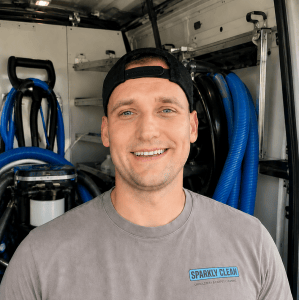
As the owner and sole operator of my company, I decided from the beginning to focus on deep cleaning instead of quick surface cleaning. The reason is simple: I want to provide the best result possible, not just make furniture look slightly better for a few days.
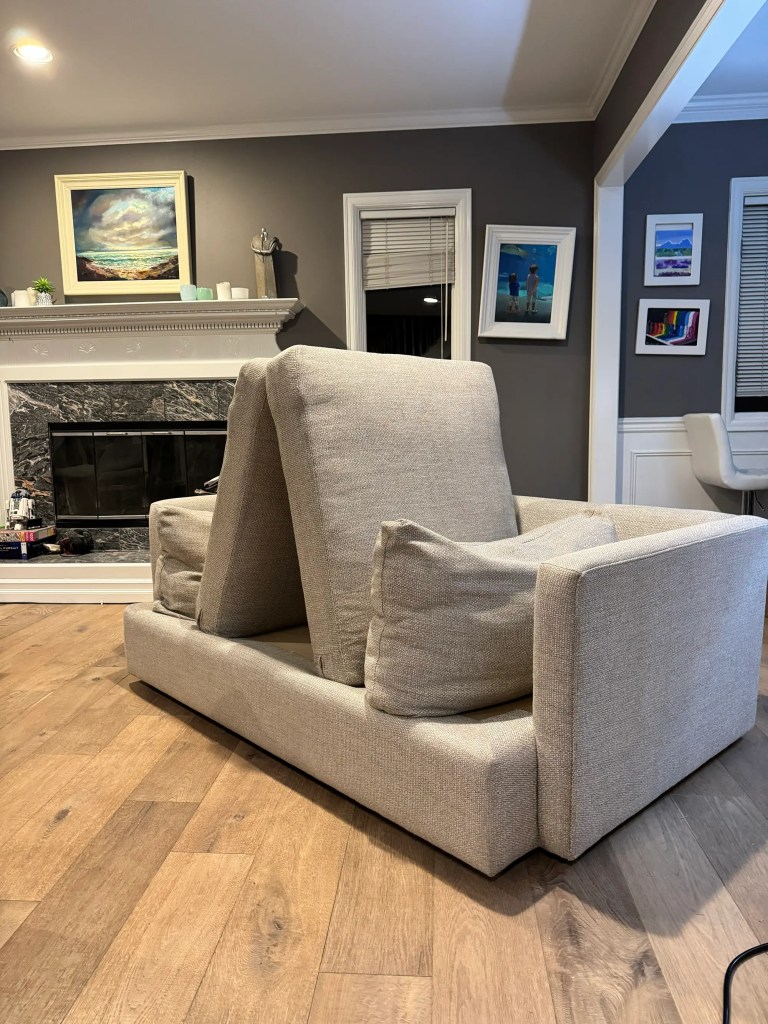
Can you find a company that will clean your sofa faster and cheaper? Absolutely. A 5-seat sectional with removable cushions often takes me about 3 to 3.5 hours to clean properly. Some companies can finish the same job in 30 minutes to 1 hour.
- Deep cleaning includes fabric identification before cleaning starts.
- Dry soil, pet hair, crumbs, and debris are removed before moisture touches the fabric.
- Stains and problem areas are inspected and treated individually.
- Professional solutions, agitation, extraction, and acid rinse help remove embedded contamination.
- Grooming and air movers help improve the final appearance and drying process.
Why Deep Upholstery Cleaning Takes More Time
Deep upholstery cleaning takes longer because it is built from several small but important steps. Each step prepares the fabric for the next one, reduces risk, and improves the final result. A quick surface cleaning may skip several of these steps to finish faster.
The difference usually starts before any cleaning solution is applied. I first look at the fabric type, condition, cushion construction, visible stains, wear areas, and any signs of pet contamination or body oil buildup.
Fabric identification comes first
Before I start cleaning, I identify the fabric type. Different upholstery fabrics can react very differently to moisture, heat, cleaning agents, agitation, and drying methods.
Microfiber, velvet, linen, synthetic blends, and delicate fabrics do not always need the same process. Some materials can tolerate more moisture and agitation. Others require a much gentler approach or a different cleaning method.
Proper identification helps me choose the safest and most effective process for that specific piece of furniture. Many homeowners are surprised to learn that this step is often skipped during fast cleaning services.
Quick cleaning often starts too fast
With surface cleaning, the process may begin almost immediately with spraying and extracting. That can make the fabric look cleaner at first, but it does not always address what is sitting deeper inside the upholstery.
When a sofa has removable cushions, debris can collect between seams, under cushions, around piping, and deep in the seat deck. If that dry soil is not removed first, moisture can turn it into muddy residue inside the fabric.
What Happens Before Moisture Touches the Fabric?
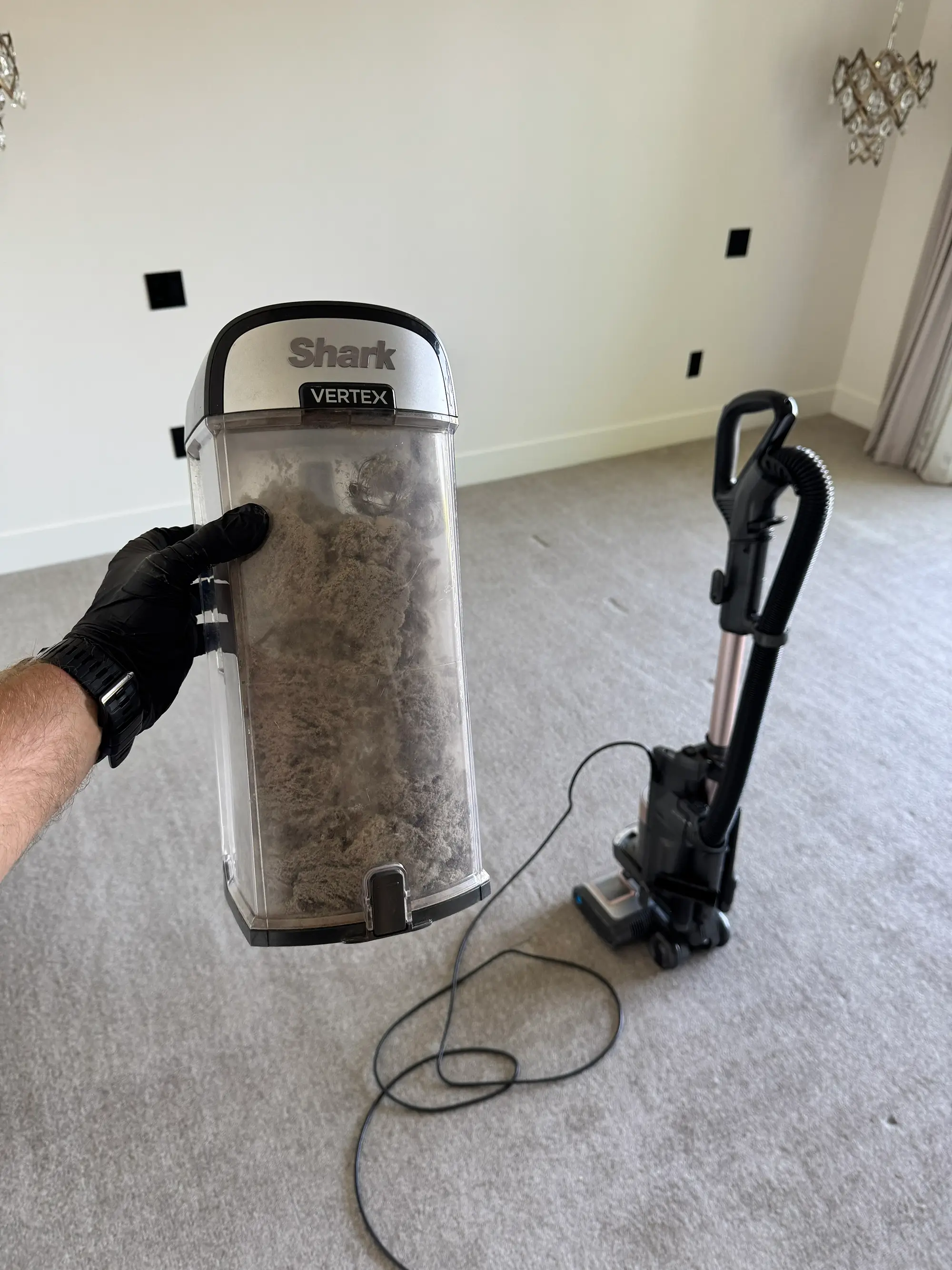
Before any moisture touches the fabric, I perform a detailed dry vacuuming process. This is one of the most important parts of professional upholstery cleaning because dry soil is often easier to remove before it becomes wet.
The goal is to remove as much loose and embedded dry material as possible. That includes dust, dirt, pet hair, human hair, crumbs, skin cells, and debris trapped between cushions.
Most homeowners are surprised by how much material can be hiding inside a sofa. Even furniture that looks fairly clean on the surface can hold a large amount of dry soil in the seams, cushion gaps, and fabric texture.
Dry vacuuming protects the cleaning process
Thorough dry vacuuming helps the rest of the cleaning process work better. Once loose soil is removed, professional cleaning solutions can reach the actual fabric fibers more effectively.
This step is especially important for homes with pets, kids, or heavy daily use. Pet dander, hair, food crumbs, body oils, and dust can build up slowly over time, even when the furniture still looks acceptable from a distance.
Spot treatment is not one-size-fits-all
Not all stains are created equal. Before the main cleaning process begins, I inspect and treat problem areas individually.
These areas may include ink, marker, paint, blood, pet urine, vomit, feces, food spills, and other visible spots. Each type of stain needs its own approach. A product that helps with one problem can make another problem worse.
If a company immediately starts cleaning without inspecting and treating these areas first while claiming to provide deep cleaning, it is worth asking what their process actually includes.
How Professional Cleaning Solutions, Agitation, and Extraction Work
Once the upholstery has been inspected, vacuumed, and pre-treated, I apply professional cleaning agents designed to loosen and suspend embedded soil from the fabric. This helps separate contamination from the fibers so it can be removed more effectively during extraction.
This part of deep upholstery cleaning is where time and technique matter. The goal is not just to wet the fabric and extract it. The goal is to give the right cleaning solution enough contact with the soil so the extraction process can remove more of it.
Agitation improves cleaning effectiveness
After the cleaning solution is applied, I perform agitation when the fabric allows it. Agitation helps distribute the solution evenly, reach deeper into the fabric, break up embedded soil, and improve the overall cleaning result.
This is another step that is frequently skipped during quick-cleaning services. In my experience, agitation can make a very noticeable difference on high-use areas such as armrests, seat cushions, headrests, and sectional corners.
Extraction removes soil and residue
Next comes the extraction process. I rinse and extract the upholstery using professional equipment while applying an acidic rinse designed to neutralize residue left behind by alkaline cleaning agents.
This step helps leave the fabric cleaner, softer, and less likely to attract rapid resoiling. If cleaning residue remains in the fabric, the furniture may feel slightly sticky or begin collecting dirt faster after cleaning.
Good extraction is not about rushing across the fabric once. It requires controlled passes, proper moisture management, and attention to areas that hold more soil or cleaning solution.
Deep Cleaning Is About the Finished Result, Not Speed
After extraction, the job is not always finished. When needed, I groom the fabric after cleaning. Grooming helps create a more uniform appearance, align fabric fibers, improve drying, and enhance the final look of the upholstery.
Some fabrics show wand marks, uneven pile direction, or crushed areas after cleaning. Grooming helps reduce that uneven appearance and gives the furniture a cleaner, more finished look.
Drying also matters
If needed, I use professional air movers to accelerate drying. Faster drying improves customer convenience and helps the upholstery dry as evenly as possible.
Drying time depends on the fabric type, cushion fill, soil level, humidity, airflow, and how much cleaning was required. A deep cleaning process should always balance soil removal with safe moisture control.
Surface cleaning still has its place
There is nothing wrong with choosing a quick maintenance cleaning if that fits your needs and budget. Sometimes furniture only needs a light refresh, especially if it has been cleaned regularly and does not have heavy buildup.
However, true deep cleaning requires time, attention to detail, proper equipment, and patience. A quality result usually comes from many small steps performed correctly, not a single pass over the fabric.
That is why deep upholstery cleaning may take several hours while surface cleaning can be completed in less than one. The difference is not only the time spent. The difference is what happens during that time.
If your sofa, sectional, chairs, or upholstered furniture need more than a quick surface refresh, schedule a professional cleaning and choose a process that is designed to clean the fabric properly from start to finish.