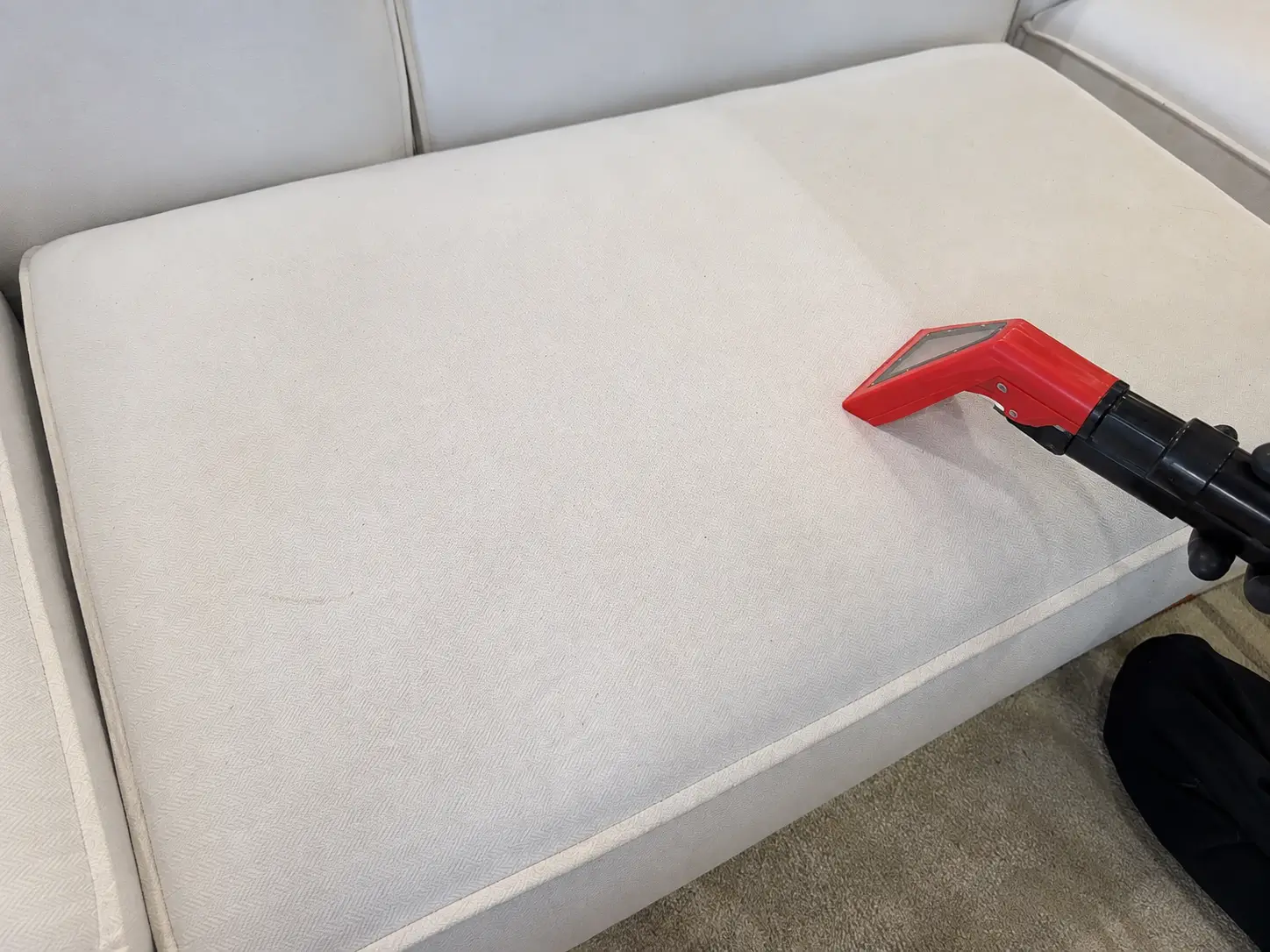
Not every area rug cleans the same way. Area rug cleaning depends heavily on the fiber type — and using the wrong method can damage texture, fade color, or leave moisture trapped in the pile. The short answer: wool rugs need gentler products and tighter moisture control, while synthetic rugs handle deeper extraction methods well. Here’s what that looks like in practice.
Why Wool and Synthetic Rugs Require Different Cleaning Approaches
Wool is a natural protein fiber. It reacts poorly to high-alkaline cleaning solutions, absorbs moisture quickly, and dries slowly — a combination that invites shrinkage, color bleeding, and fiber distortion if not managed carefully. Synthetic fibers like nylon, polyester, and polypropylene are more forgiving. They tolerate stronger cleaning agents and faster moisture application without the same risk of damage.
I often see homeowners assume that because a rug looks similar to another, it can be cleaned the same way. Fiber content changes everything — from which products are safe to how long drying should take.
For a recent area rug cleaning job in Everett, I worked on two rugs side by side: one natural wool, one synthetic. The difference in approach was significant from the first step.
How Wool Rugs Are Cleaned Safely
Cleaning a wool rug safely requires three things: pH-appropriate cleaning solutions, controlled moisture application, and efficient drying. Going too alkaline or leaving the rug damp for extended periods causes more harm than the original soil ever would.
For the wool rug I cleaned in Everett, I selected products specifically formulated for natural fibers — effective enough to lift embedded soil and body oils, gentle enough to protect the rug’s texture and color. Extraction was done carefully to avoid oversaturation, and airflow was managed to speed drying.
The result was a clean rug with no color shift, no stiffness, and no lingering odor. That outcome comes from matching the method to the material — not from using the strongest available solution.
Common Mistakes to Avoid With Wool Rugs
- Using high-alkaline or all-purpose carpet shampoos not rated for wool
- Over-wetting the fibers during extraction
- Leaving the rug on a damp surface or in low airflow after cleaning
- Scrubbing pile aggressively, which distorts the fiber structure
Cleaning Synthetic Rugs With Hot Water Extraction
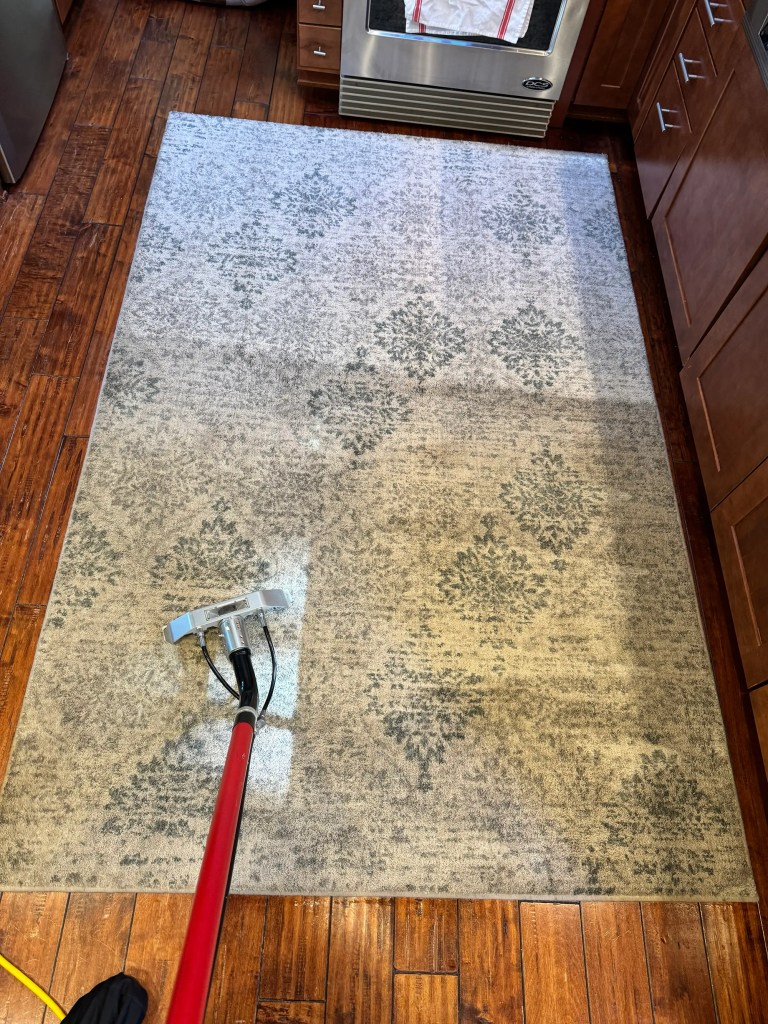
Synthetic area rugs tolerate deep hot water extraction well. The process drives heated cleaning solution into the pile, loosens embedded soil, allergens, pet hair, and dust mites, then extracts everything — including the solution itself — back out of the fibers.
Thorough rinsing matters here. Any residue left behind attracts new soil faster and can irritate skin or cause issues for children and pets. For the synthetic rug cleaned in Everett, every cleaning agent was completely rinsed from the fibers before the job was finished. The rug came out fresh, soft, and genuinely clean — not just surface-level refreshed.
Synthetic rugs also dry faster than wool, which reduces the window for mildew or odor development after cleaning.
Why Regular Vacuuming Matters More Than Most People Realize
Professional area rug cleaning removes what vacuuming cannot — but vacuuming removes what professional cleaning shouldn’t have to deal with. The more dry soil that builds up in rug fibers, the harder it is to clean, and the more abrasive damage occurs with every step taken across the rug.
Many homeowners are surprised by this: the customer whose rugs I cleaned in Everett had vacuumed both just two days before my visit. My pre-cleaning vacuum pass still pulled nearly a full canister of dry soil, dust, pet hair, and embedded debris — before any water or cleaning solution touched the rug.
That’s not a criticism of their routine. It reflects how much a professional vacuum with proper suction and technique extracts compared to residential equipment. And it shows why vacuuming frequently — at least once or twice a week in high-traffic areas — meaningfully extends rug life and keeps indoor air quality higher between professional cleanings.
Simple Vacuuming Tips for Area Rugs
- Vacuum both sides of the rug periodically — soil migrates through the pile to the backing
- Use slow, overlapping passes rather than quick back-and-forth strokes
- Check beater bar settings — some wool rugs do better with suction-only attachments
- Vacuum traffic lanes more frequently than lower-use areas

When to Schedule Professional Area Rug Cleaning
Most area rugs benefit from professional cleaning once every 12 to 18 months — sooner in homes with pets, children, or allergy concerns. Visible soiling, flattened pile, or persistent odors are signals that extraction cleaning is overdue.
In Everett, WA, where homes deal with damp winters and tracked-in soil from wet weather, area rugs in entryways and living spaces tend to load up faster than in drier climates. Staying on a regular schedule keeps fibers in better condition and extends the years a quality rug will last.
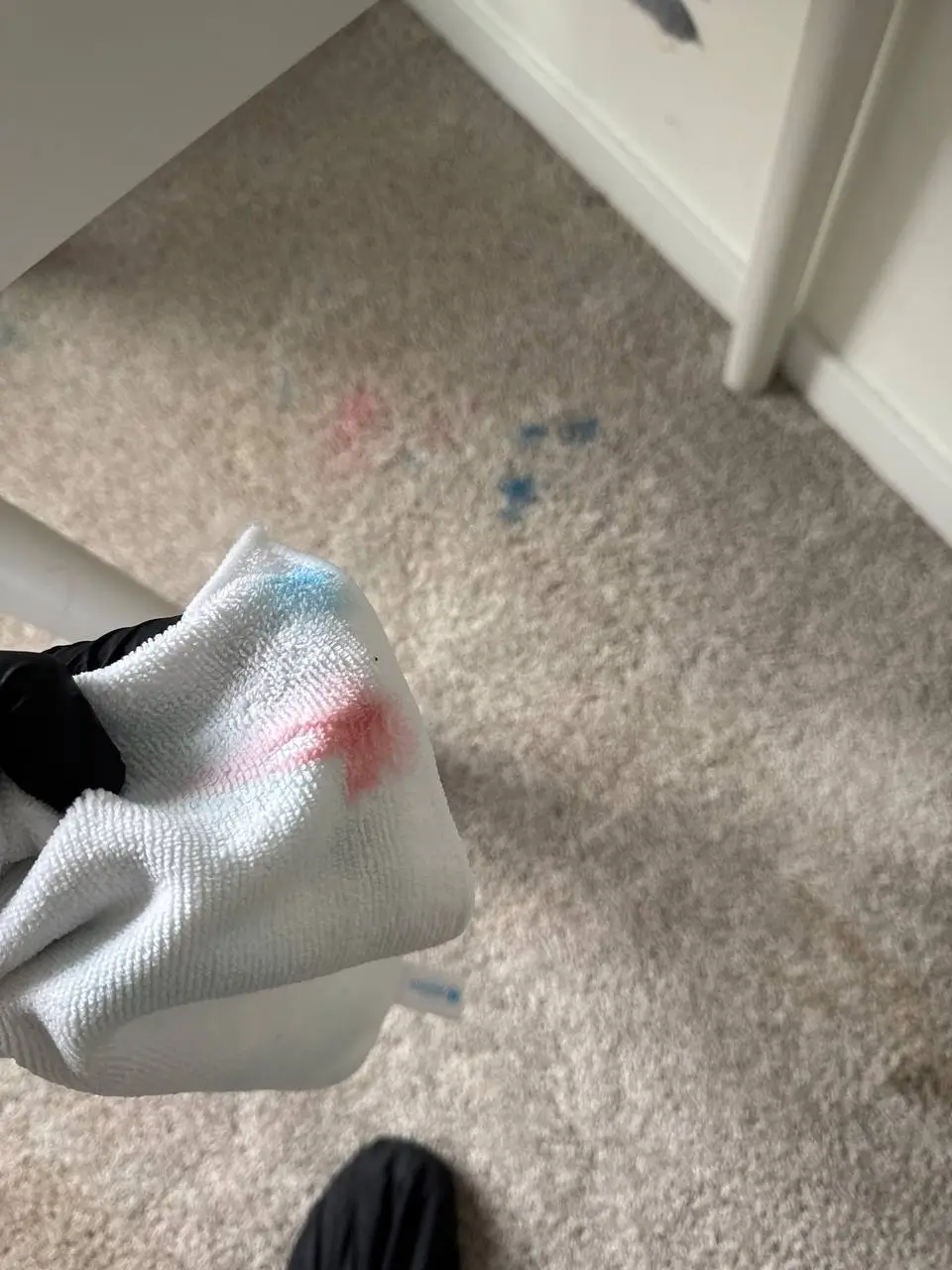
If you’re unsure whether your rug needs professional attention, a simple white-cloth test helps: press a damp white cloth firmly into the pile and check what transfers. Significant soil or color indicates it’s time.
Frequently Asked Questions
Can I clean a wool area rug with a regular carpet cleaner?
Most residential carpet cleaners use cleaning solutions that are too alkaline for wool and apply more moisture than wool fibers handle safely. Using standard carpet cleaning products on wool risks shrinkage, color change, and fiber damage. A professional experienced with natural fiber rugs is the safer choice.
How long does it take for an area rug to dry after professional cleaning?
Synthetic rugs typically dry within 4 to 8 hours with good airflow. Wool rugs take longer — often 12 to 24 hours — due to their natural absorbency. Drying time depends on humidity, airflow, and how much moisture was used during cleaning.
How often should I vacuum my area rugs?
High-traffic rugs benefit from vacuuming two to three times per week. Lower-use rugs can be vacuumed weekly. More frequent vacuuming prevents dry soil from embedding deep in the fibers, which reduces wear and keeps rugs looking cleaner between professional visits.
Does professional cleaning remove pet hair from area rugs?
Yes. Pre-cleaning vacuuming with professional equipment removes the majority of pet hair and dander before extraction begins. Hot water extraction then flushes allergens and odor-causing residue from deep in the pile. Rugs with heavy pet use may benefit from more frequent professional cleaning.
Sparkly Clean provides professional area rug cleaning in Everett, WA and surrounding areas. Whether you have a delicate wool rug or a synthetic family room rug, reach out to request a free estimate and keep your rugs looking their best year-round.