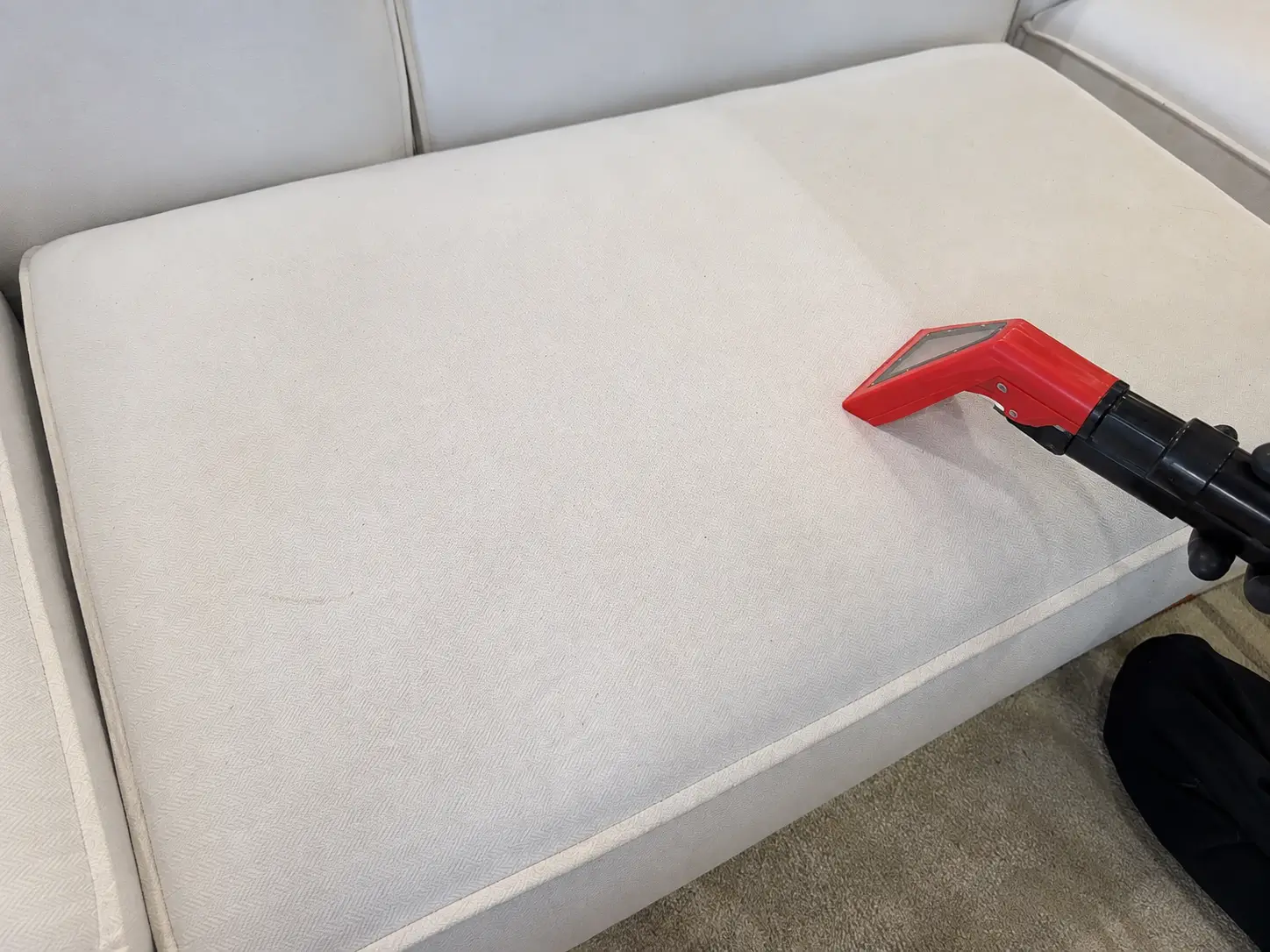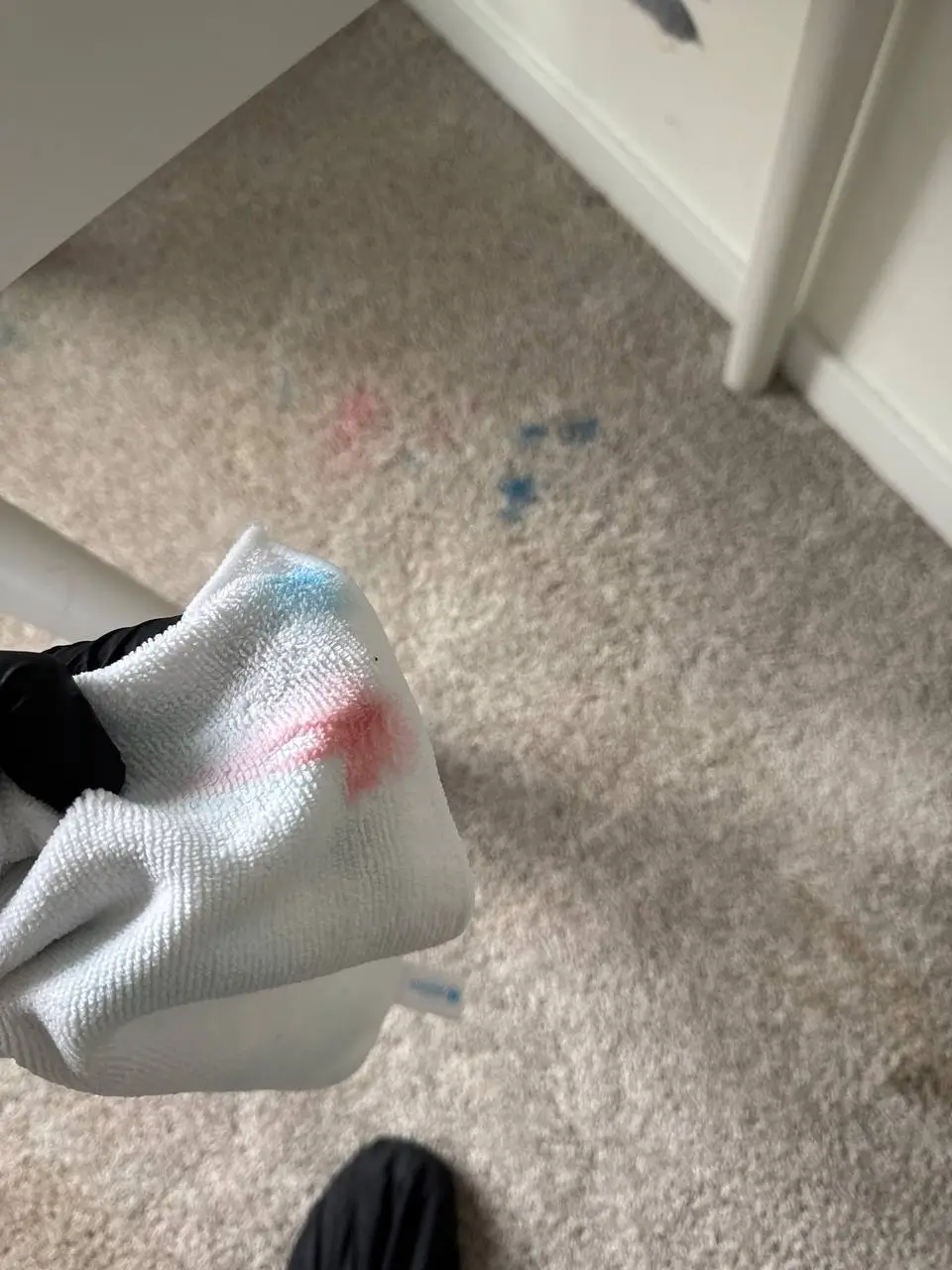

Cotton sofa cleaning can sometimes be done at home, but only under the right circumstances. Natural upholstery fabrics are much more sensitive than many people expect, and using the wrong cleaning products or techniques can cause permanent damage. In many cases, professional cleaning is the safest and most cost-effective solution.
I occasionally hear clients say, “I’ll probably try cleaning it myself first.” I completely understand why. If it’s just a sofa, a couple of dining chairs, or an area rug, cleaning it may seem like a straightforward weekend project.
The reality is that upholstery cleaning depends far more on the fabric than on the stain itself. A cleaning method that works perfectly on synthetic furniture may permanently damage cotton, linen, wool, or viscose within minutes.
Is Cotton Sofa Cleaning Safe to Do Yourself?
Sometimes—but only if you fully understand the fabric and use products designed specifically for natural fibers. Cotton upholstery absorbs moisture easily, and excessive water, harsh chemicals, or aggressive scrubbing can leave lasting damage.
- Always identify the fabric before cleaning.
- Avoid household cleaners that contain strong alkaline ingredients.
- Never oversaturate natural upholstery with water.
- Test any cleaning solution on an inconspicuous area first.
- If you’re unsure about the fabric, professional cleaning is the safer choice.
Many homeowners assume every upholstered sofa can be cleaned the same way. Unfortunately, that’s one of the most common causes of accidental fabric damage.
Unlike many synthetic materials, cotton fibers are highly absorbent and more vulnerable to color bleeding, shrinkage, texture changes, and water marks. Once these problems appear, they are often impossible to reverse.
Why Natural Upholstery Requires a Different Cleaning Approach
Natural fabrics behave very differently during cleaning. Cotton, linen, wool, and viscose each respond to moisture, temperature, drying conditions, and cleaning chemistry in their own way.
Professional upholstery cleaners choose cleaning solutions based on the specific fiber rather than applying the same product to every piece of furniture. The pH level of the cleaning solution is especially important. Products that are too alkaline may weaken fibers, remove natural softness, or permanently alter the appearance of the fabric.
In my experience, many homeowners are surprised to learn that some all-purpose household cleaners can damage upholstery even when they appear safe on the label.
Moisture control is equally important. Cotton absorbs water quickly, and if it remains damp for too long, drying becomes slower and the risk of water rings, odor development, or browning increases. Professional equipment removes much more moisture during extraction, helping fabrics dry more evenly.
Common DIY Mistakes That Can Damage Cotton Furniture
Most cleaning mistakes happen with good intentions. People simply want to remove a stain as quickly as possible. Unfortunately, rushing often creates a bigger problem than the original spill.
Some of the most common mistakes include using dish soap, laundry detergent, bleach-based products, carpet shampoo, or general-purpose household cleaners on upholstery. These products are rarely formulated for delicate natural fibers.
Another frequent mistake is scrubbing the fabric aggressively. While this may seem like an effective way to remove a stain, excessive friction can roughen cotton fibers, distort the fabric surface, or permanently change its appearance.
Overwetting is another issue. Many rental carpet cleaning machines apply more water than delicate upholstery requires. If moisture penetrates deep into the cushions without being extracted properly, drying times increase significantly.
I also regularly see furniture where multiple cleaning attempts have actually made the stain more difficult to remove because different chemicals have been layered onto the fabric over time.

When Professional Cotton Sofa Cleaning Is the Better Choice
If your furniture is made from cotton, linen, wool, viscose, or another natural fiber, hiring an experienced upholstery cleaning professional is usually the safest decision.
Professional cleaners evaluate the fabric before cleaning begins. They identify the fiber type, choose appropriate cleaning solutions, control moisture levels, and use equipment designed to rinse and extract soil while minimizing stress on the upholstery.
This approach reduces the likelihood of shrinkage, discoloration, texture changes, and other problems that are commonly associated with improper DIY cleaning.
Professional cleaning can also extend the life of your furniture by removing embedded soil, body oils, allergens, and accumulated debris without exposing the fabric to unnecessary risk.
While professional service may seem like an additional expense, replacing a damaged cotton sofa is usually far more costly than having it cleaned correctly the first time.
If you’re uncertain about your upholstery fabric, the safest decision is not to experiment. Natural materials are an investment, and proper cleaning helps protect both their appearance and their longevity.
If you’d like advice about your cotton sofa or need professional upholstery cleaning, feel free to request a free estimate. I’ll be happy to help determine the safest cleaning approach for your furniture.
Can I use a carpet cleaner on a cotton sofa?
Generally, no. Most carpet cleaning machines and detergents are designed for carpet fibers rather than delicate upholstery. They often apply too much moisture and may use cleaning solutions that are unsuitable for natural fabrics.
What cleaning products are safe for cotton upholstery?
Only products specifically formulated for natural upholstery fabrics should be used. Avoid bleach, ammonia, strong alkaline cleaners, and general-purpose household detergents unless the manufacturer specifically recommends them.
Will professional cleaning shrink a cotton sofa?
When performed correctly, professional upholstery cleaning is designed to minimize shrinkage by controlling moisture, selecting appropriate cleaning solutions, and ensuring proper drying conditions.
How often should a cotton sofa be professionally cleaned?
Most cotton sofas benefit from professional cleaning every 12 to 24 months. Homes with children, pets, or heavy daily use may require more frequent service to remove embedded soil and allergens.